

SCROLL TO EXPLORE
Reconciliation Action Plan
We are proud to begin a new chapter at Fettback & Heesterman. As an industry leader, we see Reconciliation as a responsibility. It is also an opportunity to learn, to grow and to support the communities we serve.
Our Reconciliation Action Plan (RAP) is our commitment to understanding how we can take part meaningfully in Canada’s broader work of Reconciliation. It sets ambitious goals, guided by regional Knowledge Keepers. It aims to honour Indigenous traditions and to make a lasting, positive difference in the Indigenous communities where we are fortunate to work.
This journey is a collaborative one, and we invite our industry partners to join us in building a more equitable and sustainable future.
Message from our joint CEOs
Cultural recognition & creative collaboration
F&H is working with a local Kwantlen First Nation artist to explore how Indigenous artwork, storytelling, and cultural expression can form part of our company identity and engagement initiatives. This collaboration recognizes that people and communities bring different histories, traditions, and perspectives to a shared future.

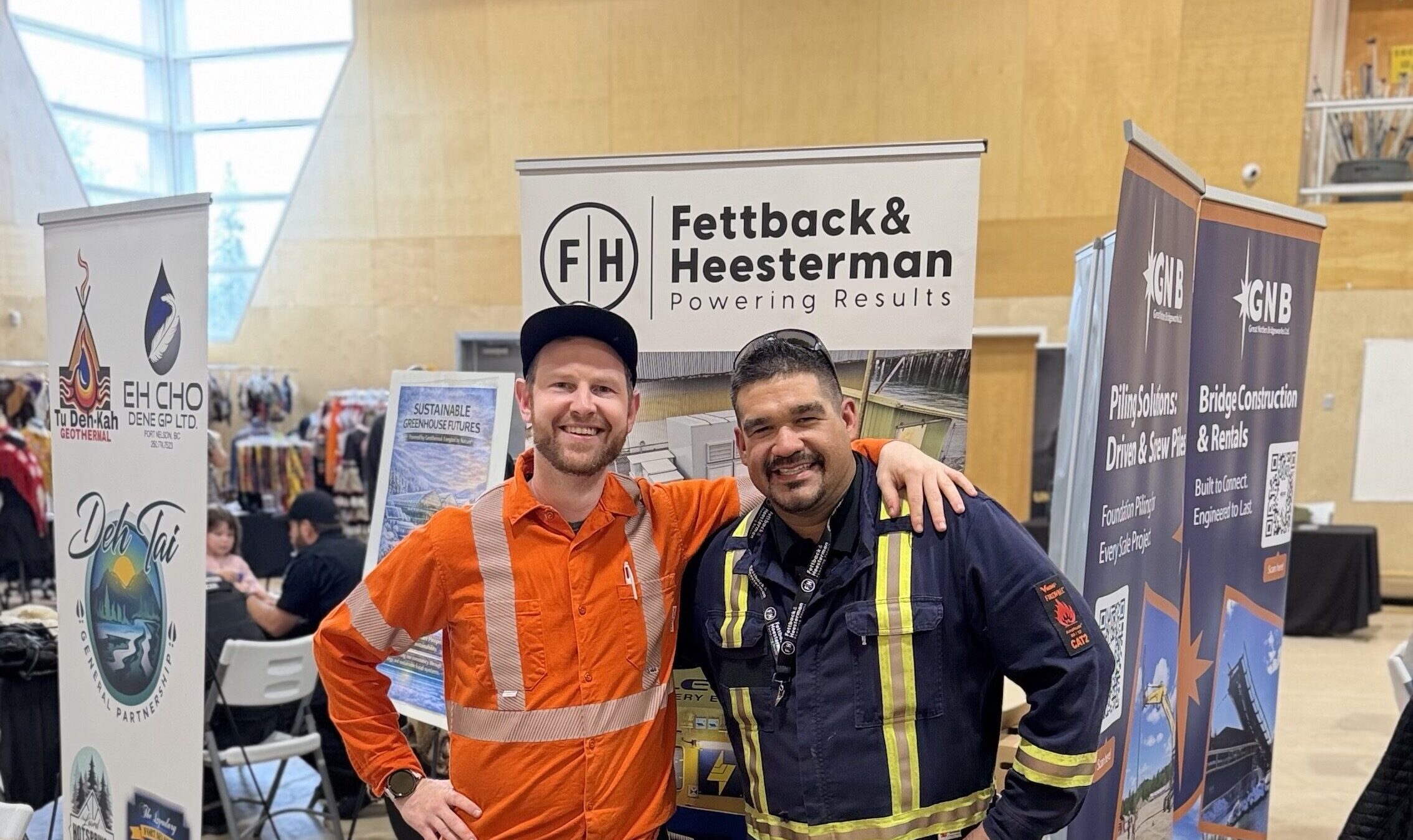
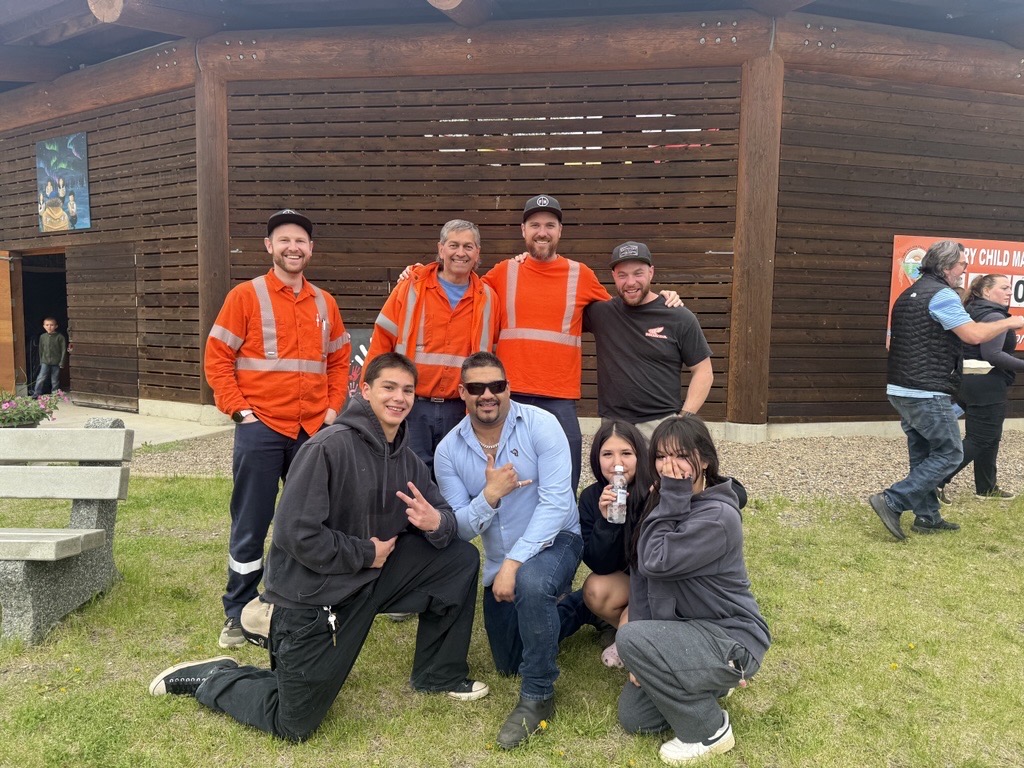
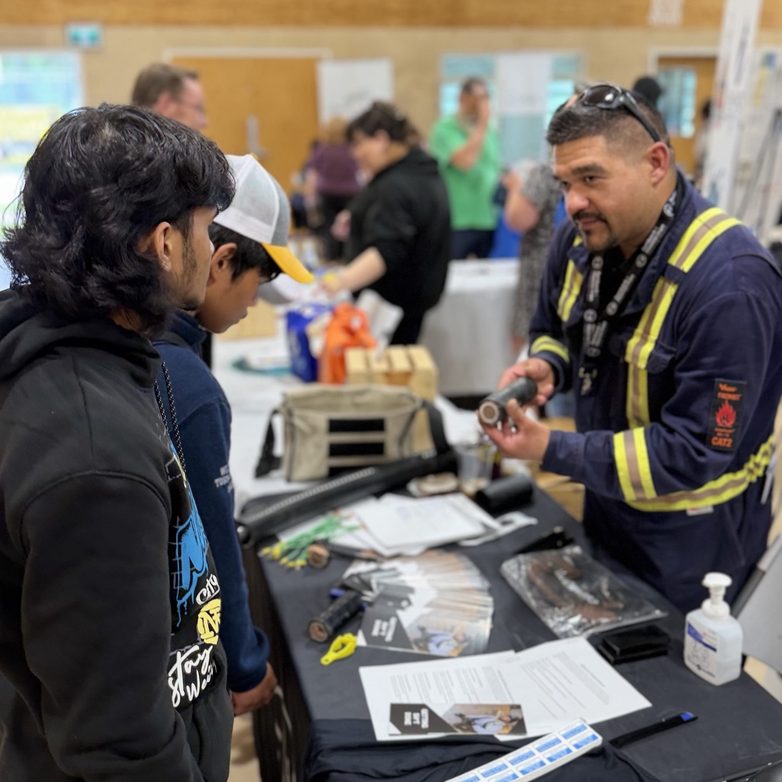
F&H takes part in First Nations trade fairs and community events, including those hosted by Fort Nelson First Nation. At these events we meet community members, youth, Indigenous businesses and local leaders. We talk about electrical careers and apprenticeships, and we explore future employment and business relationships.
Our approach begins with showing up, listening, and earning trust over time with communities we hope to work alongside.
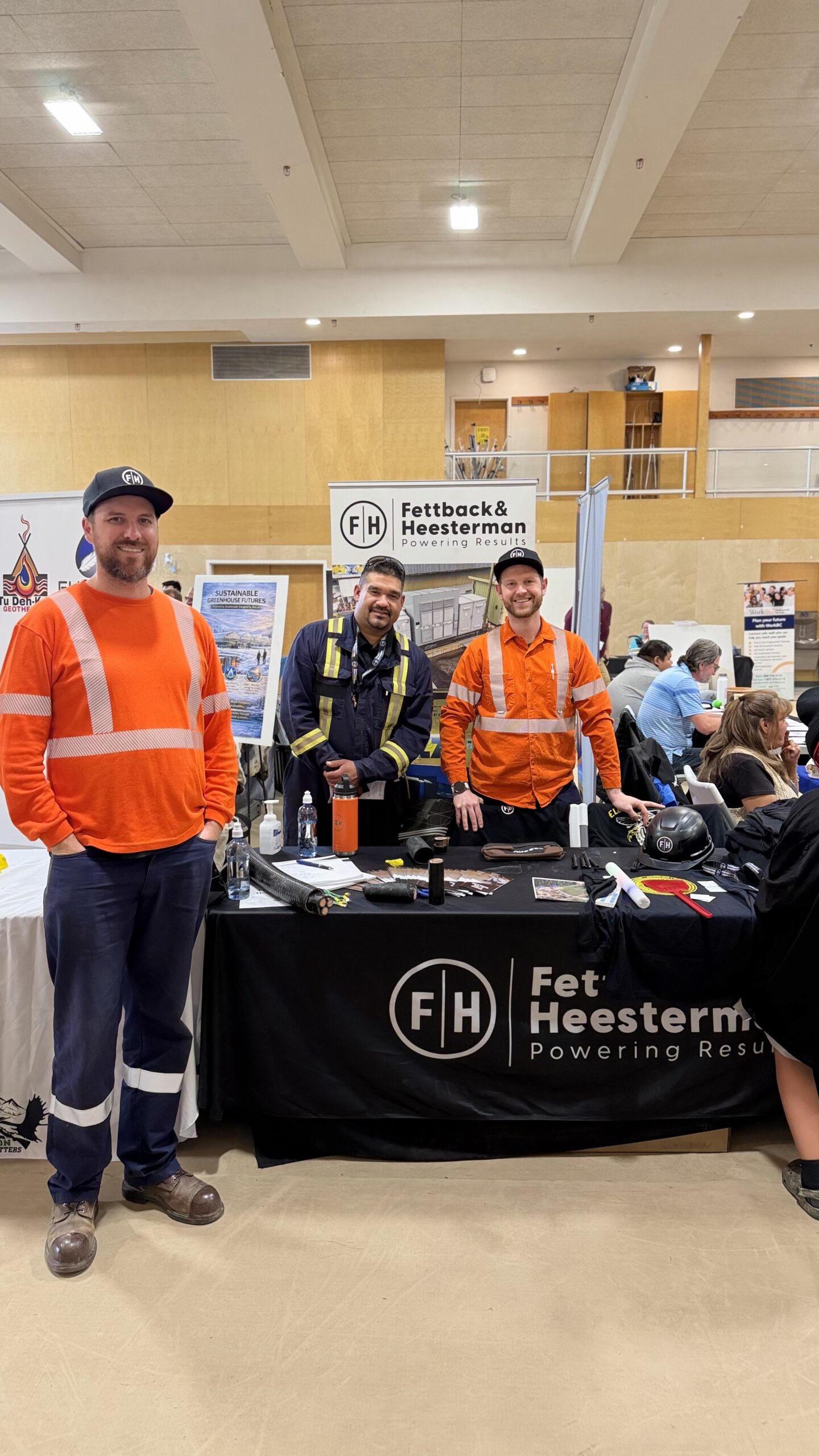
Showing up in First Nations communities
Key Pillars & Commitments UPDATES
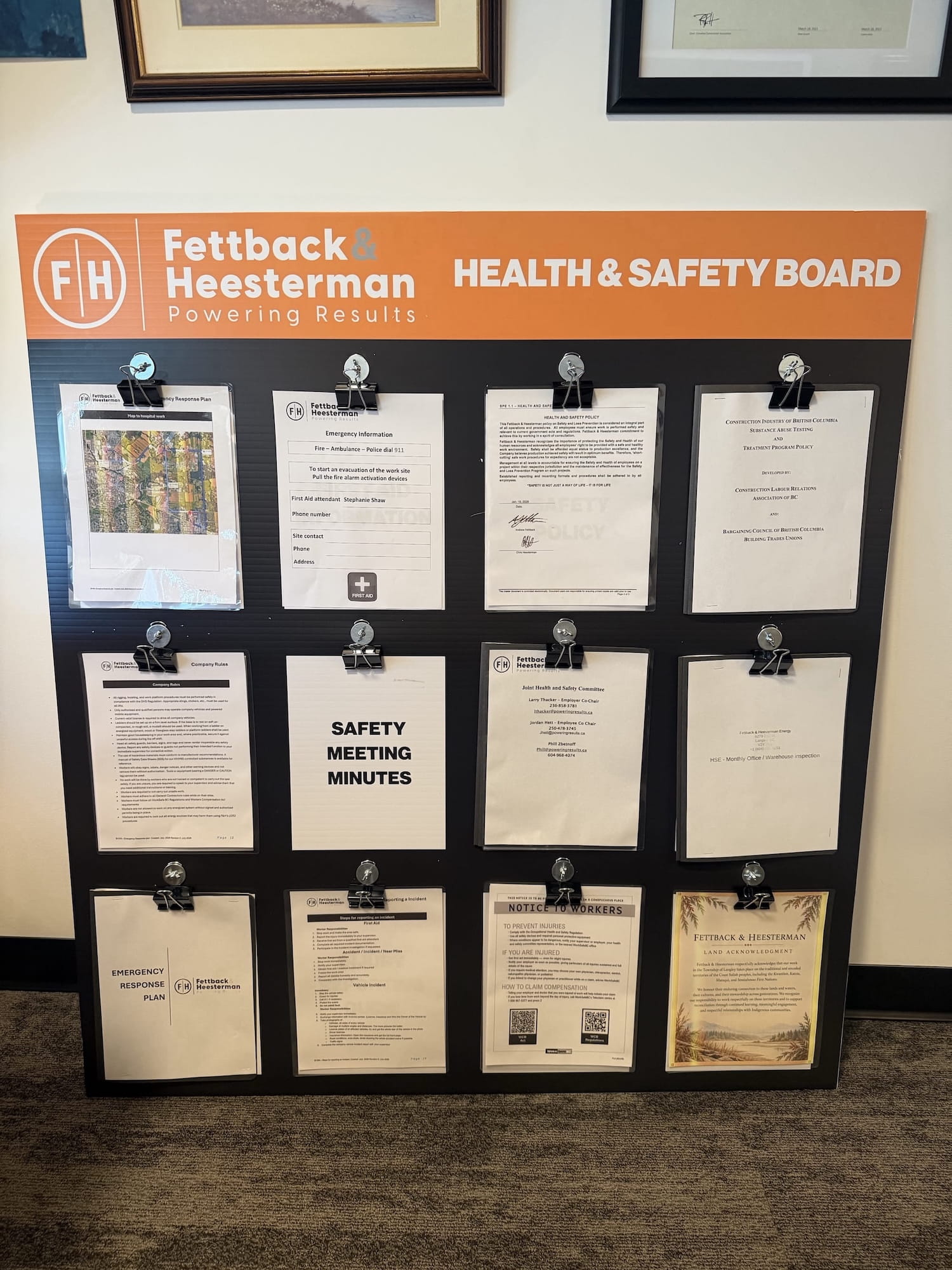
LAND ACKNOWLEDGEMENTS ON ALL ACTIVE PROJECT SAFETY BOARDS
Every active F&H project safety board includes a Land Acknowledgement. We are committed to learning the histories of the lands where we work and the ongoing connections to them. We also want to give our crews real opportunities to understand and respect the living cultures and relationships around each site.
CULTURAL AWARENESS TRAINING FOR ALL EMPLOYEES
In December 2026, our field, office, and Executive team members will complete in Cultural Awareness Training. Sessions will cover topics including Reconciliation in Construction & Infrastructure, Terminology, Respectful Communication.
We are committed to creating real opportunities for Indigenous people and communities through skilled-trades training, employment, Indigenous business participation, and respectful long-term relationships.
Our Approach
As an IBEW union electrical contractor, F&H works with Indigenous employment organizations, labour partners, training institutions and First Nations communities to build practical pathways into electrical careers. We believe reconciliation is built through direct engagement, listening, cultural recognition and shared economic opportunity, not words alone.
Training and Employment Partnerships
IBEW Local 213
EJTC
Building a stronger electrical workforce takes more than one organization. Together with our training partners, we support a clear and proven pathway into the trade. IBEW Local 213 represents more than 6,000 electrical workers in British Columbia.
Together with the Electrical Contracts Association of BC, this group governs the Electrical Joint Training Committee (EJTC). This committee is the training and apprenticeship arm of the unionized electrical sector in the Lower Mainland and Okanagan. The EJTC delivers high-quality foundation training, apprenticeship technical training and journeyperson upgrading. Our goal is to connect prospective workers with established training pathways and real opportunities in the electrical industry.
Aboriginal Community Career Employment Services Society (ACCESS)
F&H is recognized as a partner supporting ACCESS (Aboriginal Community Career Employment Services Society) initiatives and Indigenous workforce development.
ACCESS works with the EJTC and IBEW Local 213 to deliver the Indigenous Electrical Foundations Program, a fully funded pathway for Status and Non-Status First Nations, Métis and Inuit learners. Participants complete eight weeks of skills upgrading with SkillPlan, 15 weeks of technical training at the EJTC and a 10-week paid work practicum. ACCESS provides wraparound support from start to finish, and IBEW Local 213 helps connect participants with employers so they can build experience toward their certification.
Other IBEW and Industry Relationships
IBEW Local 230, 993, and 1003
F&H has actively discussed Indigenous workforce initiatives within other IBEW Locals including Local 230 (Vancouver Island), 993 (the Interior), and 1003 (Kootenay Region) as well as the Construction Labour Relations Association of BC. Work is ongoing to identify apprenticeship opportunities and workforce opportunities within these regions.
Western Jets

Serving the IBEW Locals 230, 993, 1003, the Construction Labour Relations Association of BC (Electrical Division), and participating contractors, Western JETS (WJETS) trains the next generation of proficient electricians. They help workers learn new technology, complete apprenticeships, and prep for their Red Seal Certification. WJETS also co-created the Workplace Alternative Trades Training (WATT) program.
WATT (Workplace Alternative Trades Training)
The WATT program is designed by WJETS to improve access to electrical apprenticeships for Indigenous people, youth, and other underrepresented groups. F&H supports these objectives and is pursuing opportunities to contribute via training, mentorship, and employment.
Training and Employment Partnerships
Meaningful
Reconciliation
Fettback & Heesterman has formed a dedicated Reconciliation Committee to oversee how we implement RAP into practice. Its members include board members, Indigenous representatives and F&H staff. The Committee will:
- Addressing the progress of the pillars by reviewing action items at each committee meeting.
- Report on actions taken and outcomes achieved to our team and stakeholders.
- Ensuring regular and consistent dialogue with Indigenous communities and partners
- Adjust our strategy and approach as feedback comes in and community needs change.
Pillars of Action


